

On Oct. 27, the Stewardship Resource Hub offered a legacy giving webinar, moderated by chair Derwyn Sangster, with presentations and a discussion with three expert guest speakers:
- Canon J. Davey Gerhard, executive director of The Episcopal Network for Stewardship (TENS)
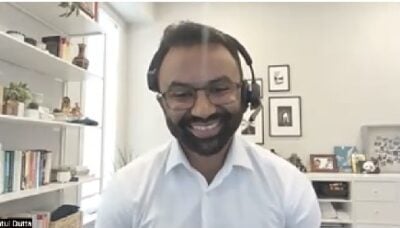
- Ratul Dutta, investment advisor and financial planner with RBC Dominion Securities
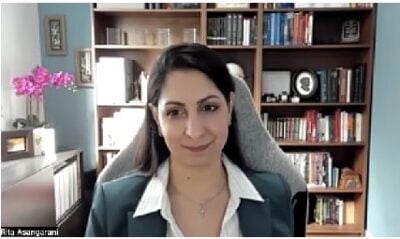
- Rita Asangarani, founder and managing lawyer, R.A. Law Firm Professional Corporation
More than 50 people registered and attended online. The webinar can serve as an educational resource for many more because it was recorded and will be available through the ADO Learning Commons on the diocesan website. It was recommended for clergy, wardens, stewardship teams, and all who care about parish vitality. It also offered valuable general information about wills and estate planning.
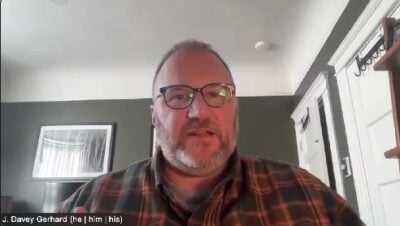
Canon Gerhard began the discussion considering questions of why parishes and groups should engage in conversations about legacy giving, especially since it touches on topics many people are uncomfortable talking about — money and death.
He spoke about it in both practical and theological terms. Practically, legacy gifts can be important way to help parishes survive and thrive financially. They can “form or add to your endowment, which can then be used to support your operations ministry or other kinds of work that you do,” he said, “So that when something comes up, the leaking roof or the boiler that goes out … you have money in the bank ready to take care of that….And they’re also for special or named ministries.”
On a more theological level, Gerhard said it is important to talk about legacy giving with parishioners “because it’s part of our commitment to walking the journey with our fellow congregants, with our members on the journey of their lives. … Death is a milestone. The end of life is something that we can prepare for. And if we engage those conversations early and beautifully and theologically, not transactionally, [it is not about] what can we get from you, but how can we help you achieve what you want from your legacy?” Gerhard said he often likes to read the names on stained glass windows or on baptismal fonts in churches that he visits. Churches, he pointed out, are built from gifts and stories from people who came before. Legacy giving offers opportunities for people to share their stories and gifts and to be remembered.
Ratul Dutta provided practical information about how to leave legacy gifts in ways that are most tax-efficient and better for beneficiaries. He discussed the tax benefits of:
- donating shares
- naming a charity as the beneficiary of a life insurance policy
- leaving RRIF funds and tax-free savings account funds to a charity
- donating secondary properties like cottages
Dutta also described steps and considerations in making a financial plan that includes legacy giving. He recommended that the person making a plan discuss their desires and plan with their family, which could help to build a culture of giving.
As a lawyer, Asangarani began with the basics of wills. “What it really is, is an act of preparation and care, not simply a document about death,” she said.
She outlined three types of wills — a holographic hand-written one, a will kit, and a will written with the assistance of a lawyer. Although wills are private, she also recommended discussing legacy giving with family. “And don’t forget to tell your executors [that there is a will and where to find it.] I cannot tell you how many times someone has put care and patience into drafting their will and then their executor comes in and asks ‘Is there a will? I don’t know.’”
There was an opportunity for those who attended to ask questions after all three presentations. A recording of the webinar is available on the Learning Commons.
Saint Stephen’s Church, Munster — Deanery of the Southwest